A place in the story
W.E.B. Du Bois Centre
A Pan-African centre in Accra that connects an American intellectual's final home to Ghana's wider diaspora story.
Narration available · 2 min
Listen to the story
W.E.B. Du Bois Centre, narrated.
Read transcript
A Pan-African centre in Accra that connects an American intellectual's final home to Ghana's wider diaspora story.
A return that changed the map. W.E.B. Du Bois came to Ghana late in his life, but the move was not a small personal retirement. It placed a major African American thinker inside the political and cultural world of an independent African nation. His Accra home, library and resting place now form a centre where visitors can ask what Pan-Africanism meant in practice. The story begins with movement: a scholar leaving the United States and choosing Ghana as a place from which to think about Africa's future.
The centre is more than a grave. Du Bois's work crossed history, sociology, race, empire and the political rights of people of African descent. The centre gives those ideas a physical address, but it should not be treated as a shrine without arguments. His relationship with Nkrumah's Ghana had its own tensions and historical limits. That makes the site more interesting. It shows how diaspora identity, African independence and intellectual life met in a country trying to define its place in the world.
Why Accra still matters. A visit works best when it connects the house and library to the wider city, including independence history and Ghana's continuing relationship with the diaspora. Allow time to read, ask questions and sit with the complexity. The centre invites a present-day question: what does return mean when a person arrives with global ideas but enters a local political world? Accra does not offer a simple answer. It offers a place where that conversation can continue. Read this place alongside the people who maintain it. A landmark becomes useful when it changes what you notice next: the road into a town, the work around a museum, the river beyond a view, or the memory a guide chooses to explain.
The centre gives Pan-African history a specific Accra address and connects diaspora thought to Ghana's independence era.
A return that changed the map
W.E.B. Du Bois came to Ghana late in his life, but the move was not a small personal retirement. It placed a major African American thinker inside the political and cultural world of an independent African nation. His Accra home, library and resting place now form a centre where visitors can ask what Pan-Africanism meant in practice. The story begins with movement: a scholar leaving the United States and choosing Ghana as a place from which to think about Africa's future.
The centre is more than a grave
Du Bois's work crossed history, sociology, race, empire and the political rights of people of African descent. The centre gives those ideas a physical address, but it should not be treated as a shrine without arguments. His relationship with Nkrumah's Ghana had its own tensions and historical limits. That makes the site more interesting. It shows how diaspora identity, African independence and intellectual life met in a country trying to define its place in the world.
Why Accra still matters
A visit works best when it connects the house and library to the wider city, including independence history and Ghana's continuing relationship with the diaspora. Allow time to read, ask questions and sit with the complexity. The centre invites a present-day question: what does return mean when a person arrives with global ideas but enters a local political world? Accra does not offer a simple answer. It offers a place where that conversation can continue. Read this place alongside the people who maintain it. A landmark becomes useful when it changes what you notice next: the road into a town, the work around a museum, the river beyond a view, or the memory a guide chooses to explain.
Why this place matters
The centre gives Pan-African history a specific Accra address and connects diaspora thought to Ghana's independence era.
Visiting with care: Allow time for the library and grounds, check current opening arrangements and approach the site as a place of study and memory.
Where this is today
W.E.B. Du Bois Centre
Greater Accra Region · Exact surviving site
Open modern mapSources
Read the references behind this story.
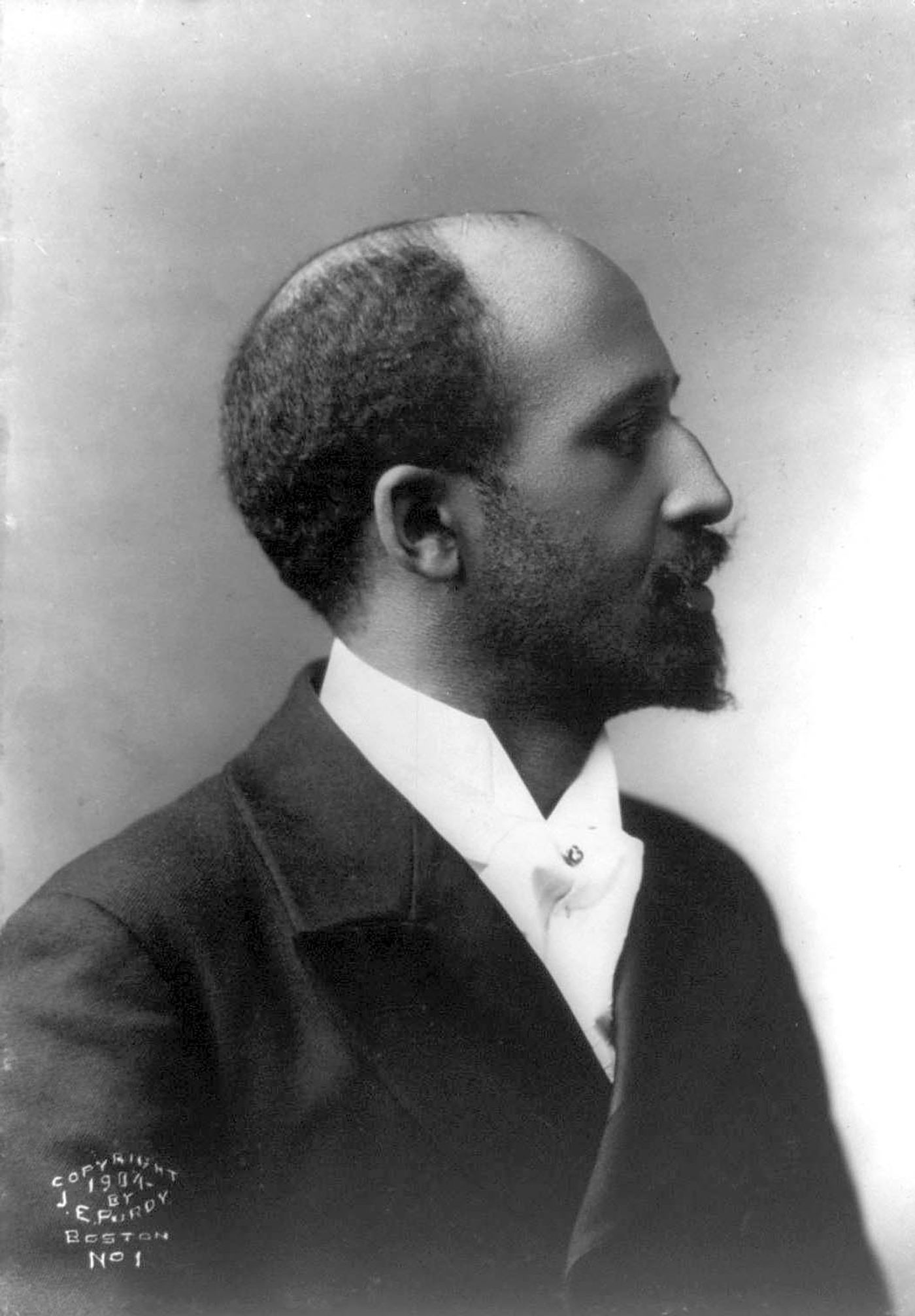
Image credit: James E. Purdy via Wikimedia Commons · Image source
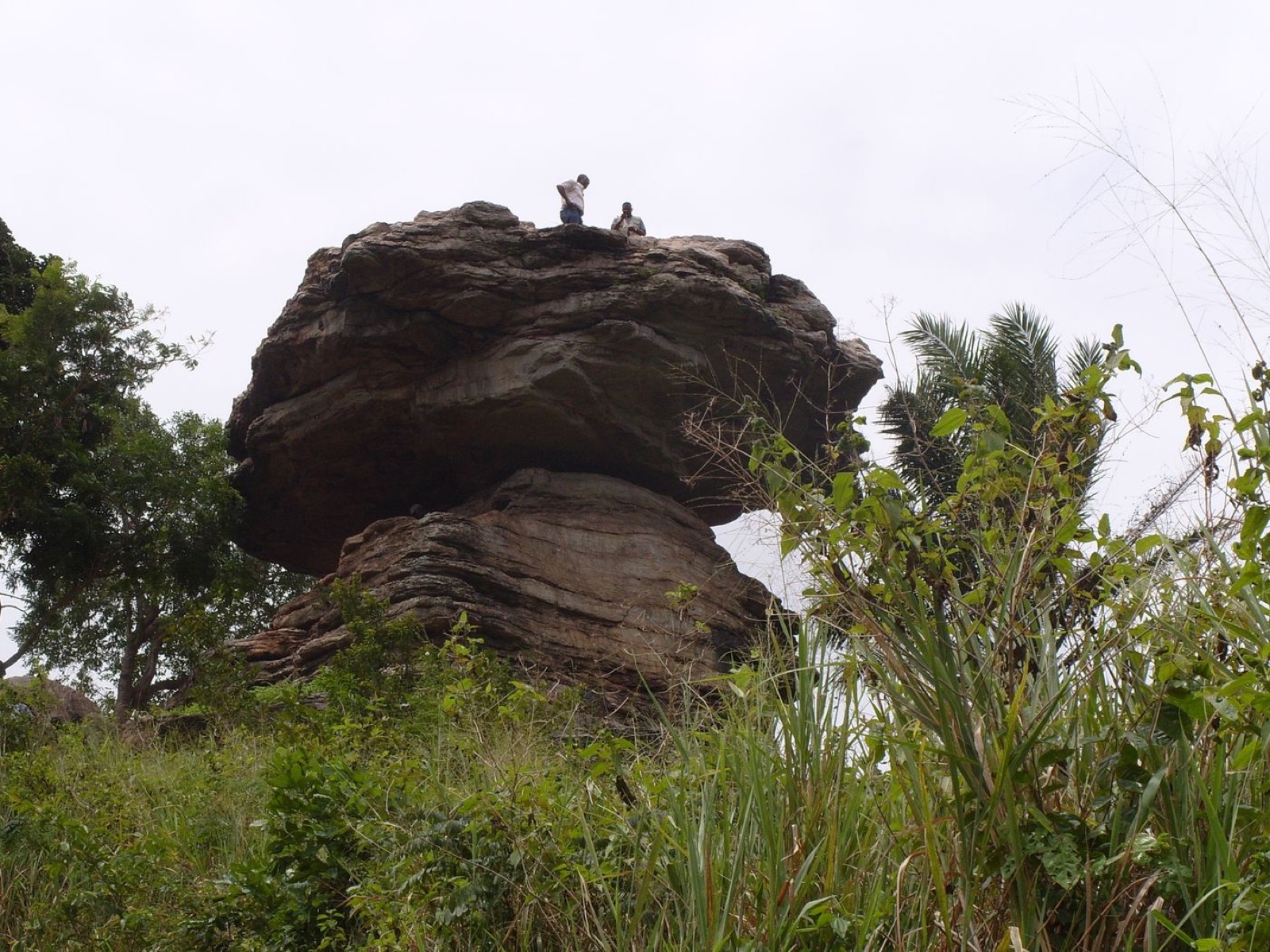 Continue to Umbrella RockUmbrella RockA broad-capped rock formation near Boti Falls that turns a short hike into a lesson about Ghana's Eastern hills.