A place in the story
Kejetia Market
Kumasi's enormous market is not just a shopping stop. It is a working map of movement, trade, food and everyday Ashanti life.
Narration available · 2 min
Listen to the story
Kejetia Market, narrated.
Read transcript
Kumasi's enormous market is not just a shopping stop. It is a working map of movement, trade, food and everyday Ashanti life.
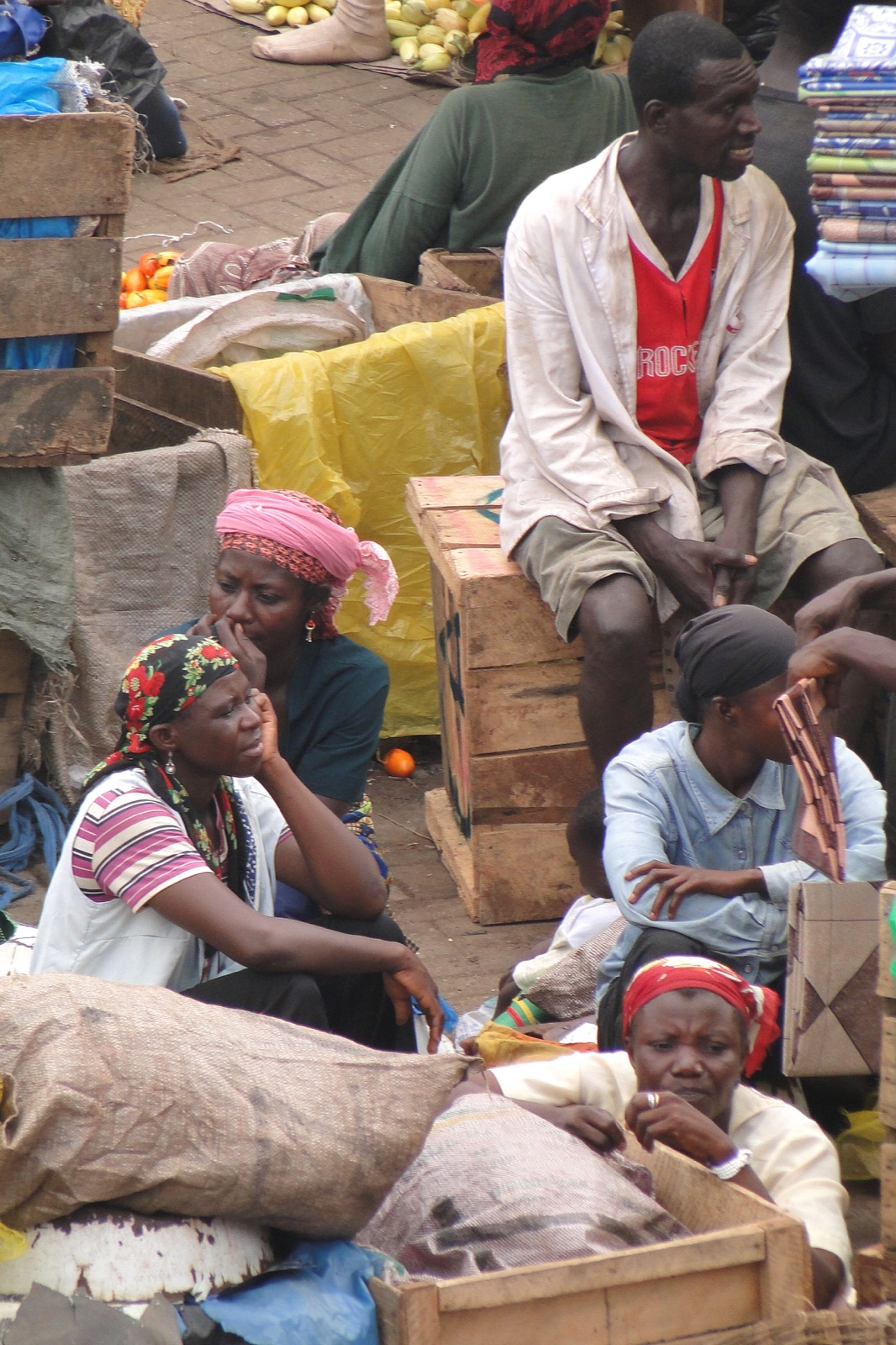
Where Kumasi moves. Kejetia makes Kumasi feel like a city before anyone explains it. People arrive with goods, leave with packages, call across lanes and negotiate space around one another. Textiles, food, household goods and transport are not separate attractions here. They are parts of one working economy. The market's importance comes from circulation: what enters Kumasi, what leaves, who sells, who buys and which relationships make the exchange possible.
The market behind the name. Kumasi grew as the political and commercial heart of Asante, and markets helped connect the capital to towns, farms and wider trade routes. Kejetia is modern in its buildings and systems, but the need for a central meeting place is older than the present structure. Read the stalls as a record of skill and supply. A piece of cloth can carry colour, status and craft knowledge. A food seller can show how regional agriculture meets urban demand.
A city you can hear. The best way to visit is to slow down without getting in the way. Ask before photographing people or products, agree prices clearly and keep valuables secure. A guide can help you understand which lanes and goods matter, but the market itself should not be turned into scenery. Kejetia connects history to ordinary work. It shows that culture is not only stored in palaces and museums. It is also made every morning by people keeping a city fed, dressed and moving. Read this place alongside the people who maintain it. A landmark becomes useful when it changes what you notice next: the road into a town, the work around a museum, the river beyond a view, or the memory a guide chooses to explain.
Kejetia shows how Kumasi's commercial life carries older networks of trade, craft and regional connection into the present.
Where Kumasi moves
Kejetia makes Kumasi feel like a city before anyone explains it. People arrive with goods, leave with packages, call across lanes and negotiate space around one another. Textiles, food, household goods and transport are not separate attractions here. They are parts of one working economy. The market's importance comes from circulation: what enters Kumasi, what leaves, who sells, who buys and which relationships make the exchange possible.
The market behind the name
Kumasi grew as the political and commercial heart of Asante, and markets helped connect the capital to towns, farms and wider trade routes. Kejetia is modern in its buildings and systems, but the need for a central meeting place is older than the present structure. Read the stalls as a record of skill and supply. A piece of cloth can carry colour, status and craft knowledge. A food seller can show how regional agriculture meets urban demand.
A city you can hear
The best way to visit is to slow down without getting in the way. Ask before photographing people or products, agree prices clearly and keep valuables secure. A guide can help you understand which lanes and goods matter, but the market itself should not be turned into scenery. Kejetia connects history to ordinary work. It shows that culture is not only stored in palaces and museums. It is also made every morning by people keeping a city fed, dressed and moving. Read this place alongside the people who maintain it. A landmark becomes useful when it changes what you notice next: the road into a town, the work around a museum, the river beyond a view, or the memory a guide chooses to explain.
Why this place matters
Kejetia shows how Kumasi's commercial life carries older networks of trade, craft and regional connection into the present.
Visiting with care: Expect crowds and a fast pace. Keep valuables secure, ask before taking photos and agree prices before buying.
Where this is today
Kejetia Market
Ashanti Region · Exact surviving site
Open modern mapSources
Read the references behind this story.
Image credit: Adam Jones via Wikimedia Commons · Image source
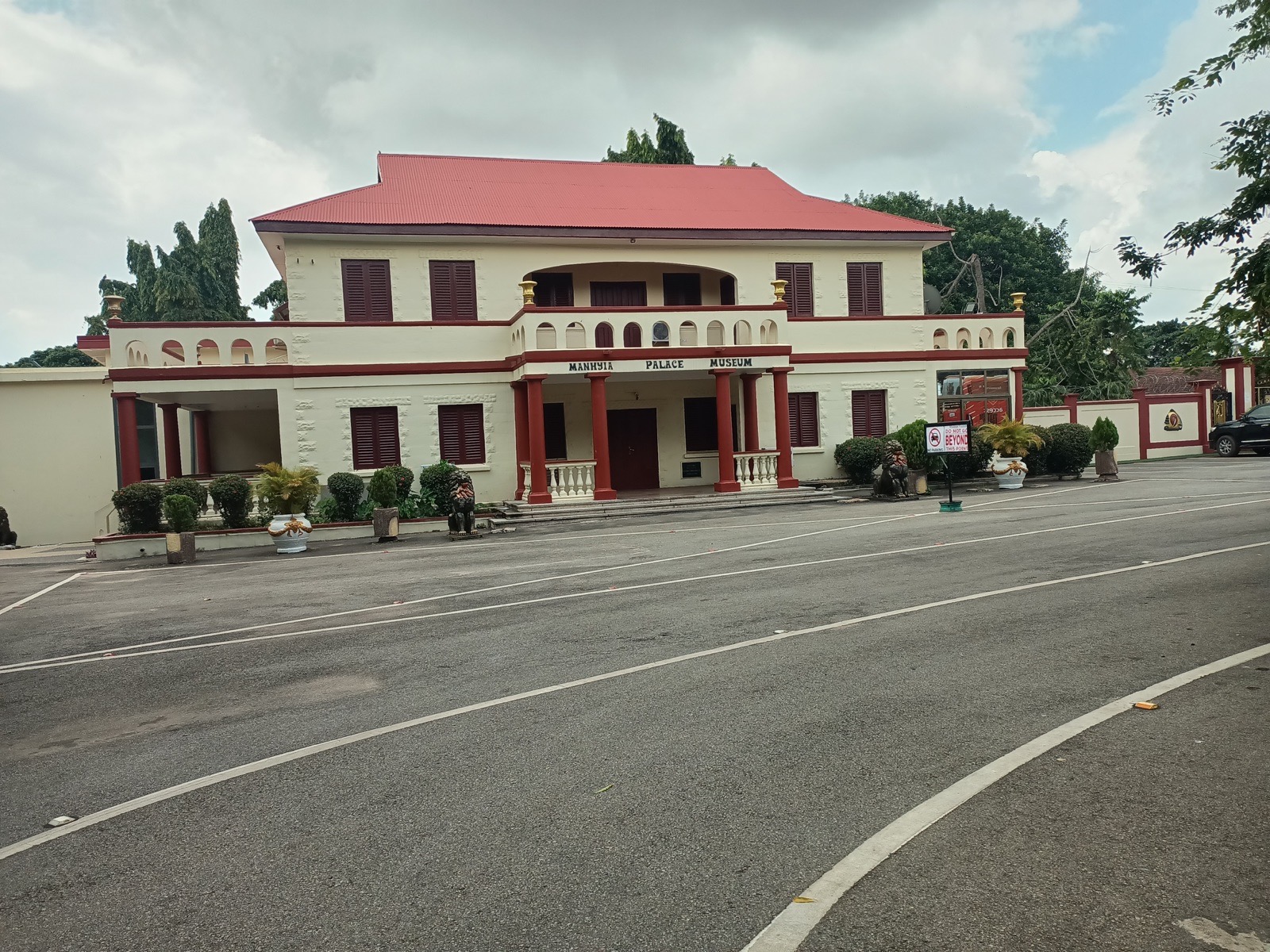 Continue to Manhyia Palace MuseumManhyia Palace MuseumA Kumasi museum that introduces Asante leadership, regalia, memory and the work of cultural governance.