A place in the story
Asante Traditional Buildings
A serial heritage property of shrines and traditional structures that preserves Asante architecture and sacred design.
Narration available · 2 min
Listen to the story
Asante Traditional Buildings, narrated.
Read transcript
A serial heritage property of shrines and traditional structures that preserves Asante architecture and sacred design.
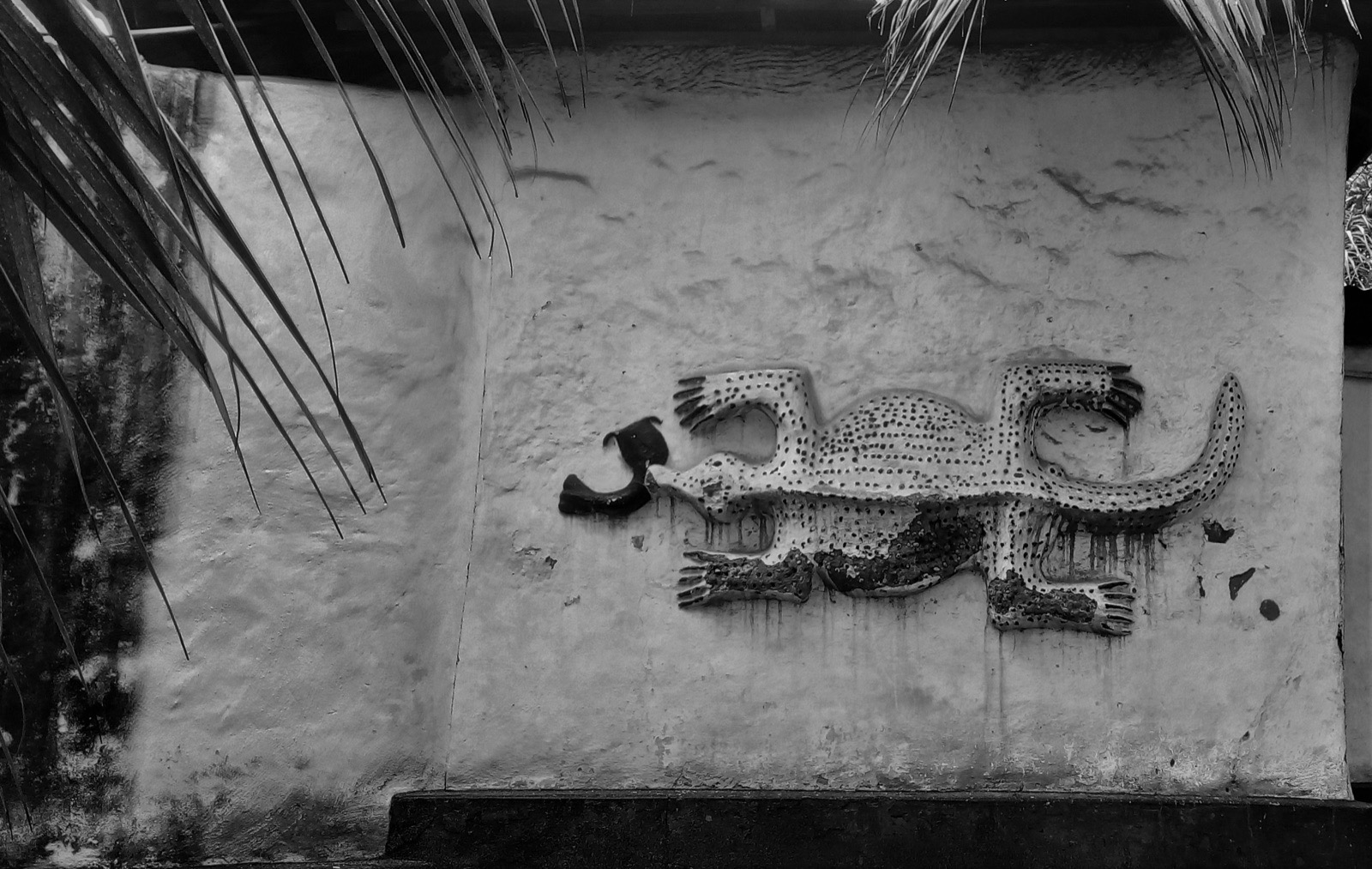
Architecture with purpose. Asante Traditional Buildings are not one palace gathered around a single address. UNESCO describes a group of surviving structures whose walls, courtyards, decorations and sacred uses preserve an architectural tradition from the Asante region. Their forms were shaped by climate, materials, ritual and social organisation. Looking closely at a building reveals choices about movement, privacy, authority and the relationship between people and the spiritual world.
What survived. Many traditional structures disappeared as materials weathered, communities changed and new building forms took their place. The buildings that survived therefore carry more than beauty. They show how knowledge was made durable through craft and repeated care. Shrines and homes could be maintained within living communities rather than separated from everyday life. That continuity matters because heritage is not only a record of what happened. It is also evidence of what people chose to preserve.
A serial landscape. The UNESCO property should be understood as a set of places, not a single precise map pin that represents all Asante history. Each component has its own local setting and meaning. That makes the experience slower and more attentive than a checklist of monuments. Visitors can connect the buildings to Asante institutions, craft, religion and the pressures of colonial change, while remembering that present-day Ashanti Region is not identical to the historical Asante state. Seeing the sites as a network also prevents one famous building from standing in for every community, shrine or form of knowledge that made the tradition possible. It is a landscape of memory, not a single attraction.
These buildings preserve a living architectural tradition and show how cultural knowledge can survive through community care.
Architecture with purpose
Asante Traditional Buildings are not one palace gathered around a single address. UNESCO describes a group of surviving structures whose walls, courtyards, decorations and sacred uses preserve an architectural tradition from the Asante region. Their forms were shaped by climate, materials, ritual and social organisation. Looking closely at a building reveals choices about movement, privacy, authority and the relationship between people and the spiritual world.
What survived
Many traditional structures disappeared as materials weathered, communities changed and new building forms took their place. The buildings that survived therefore carry more than beauty. They show how knowledge was made durable through craft and repeated care. Shrines and homes could be maintained within living communities rather than separated from everyday life. That continuity matters because heritage is not only a record of what happened. It is also evidence of what people chose to preserve.
A serial landscape
The UNESCO property should be understood as a set of places, not a single precise map pin that represents all Asante history. Each component has its own local setting and meaning. That makes the experience slower and more attentive than a checklist of monuments. Visitors can connect the buildings to Asante institutions, craft, religion and the pressures of colonial change, while remembering that present-day Ashanti Region is not identical to the historical Asante state. Seeing the sites as a network also prevents one famous building from standing in for every community, shrine or form of knowledge that made the tradition possible. It is a landscape of memory, not a single attraction.
Why this place matters
These buildings preserve a living architectural tradition and show how cultural knowledge can survive through community care.
Visiting with care: Treat each component as a living heritage site and follow local guidance on access and photography.
Where this is today
Asante Traditional Buildings
Ashanti Region · Broad historical region
Open modern mapSources
Read the references behind this story.
Image credit: Joy Agyepong via Wikimedia Commons · Image source
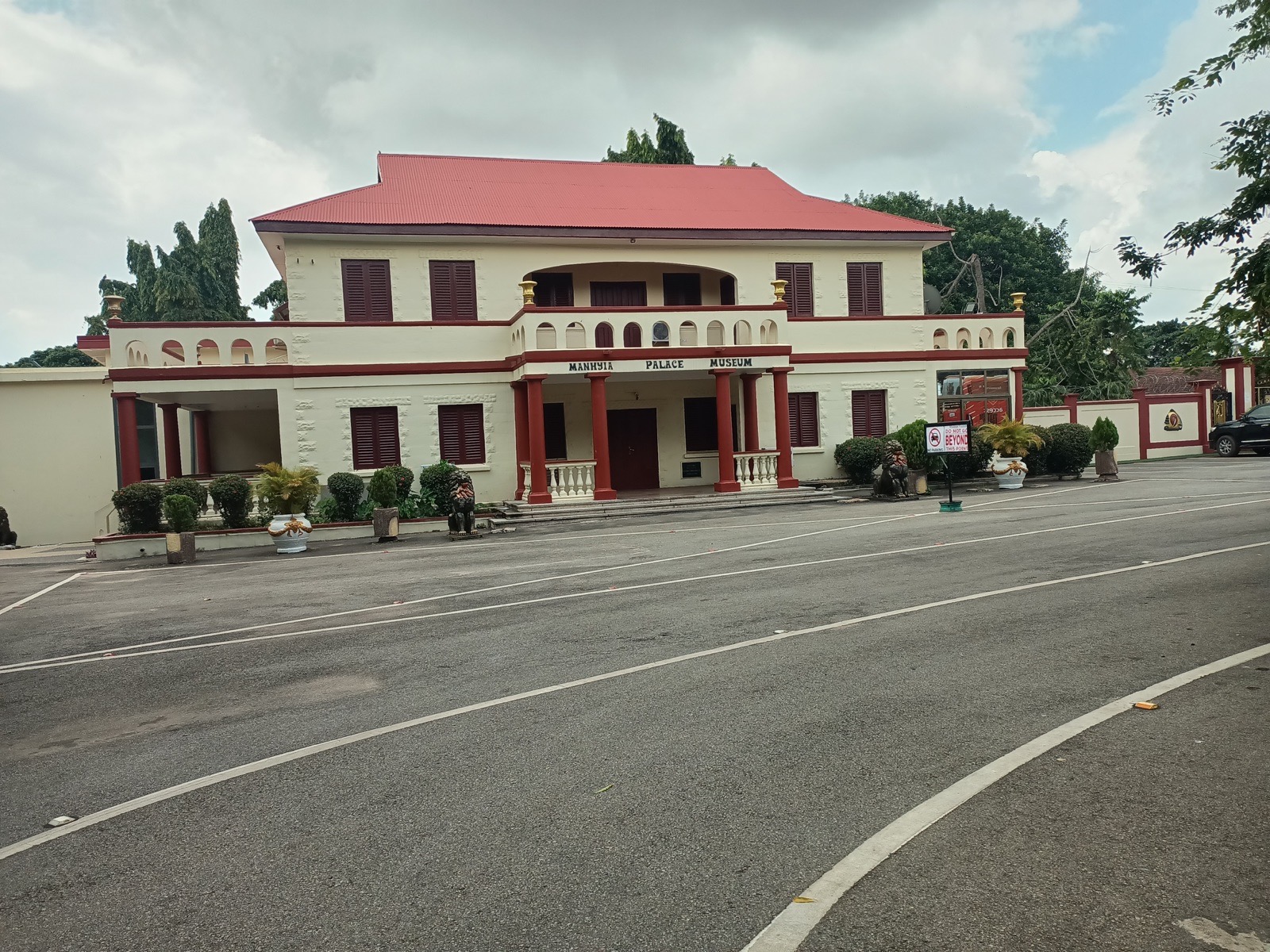 Continue to Manhyia Palace MuseumManhyia Palace MuseumA Kumasi museum that introduces Asante leadership, regalia, memory and the work of cultural governance.