A place in the story
Ankasa-Nini-Suhien National Park
A deep western rainforest where biodiversity, rivers and distance reward visitors who make time for a slower kind of travel.
Narration available · 2 min
Listen to the story
Ankasa-Nini-Suhien National Park, narrated.
Read transcript
A deep western rainforest where biodiversity, rivers and distance reward visitors who make time for a slower kind of travel.
Where the road gets quieter. Ankasa-Nini-Suhien sits near Ghana's western border, far from the quick stops that define many itineraries. The forest feels dense because it is dense: wet evergreen growth, streams, shade and an enormous variety of life fill the space between paths. A visit starts with accepting that the park will not reveal itself all at once. This is not a backdrop for a single viewpoint. It is a system that asks you to move carefully through it.
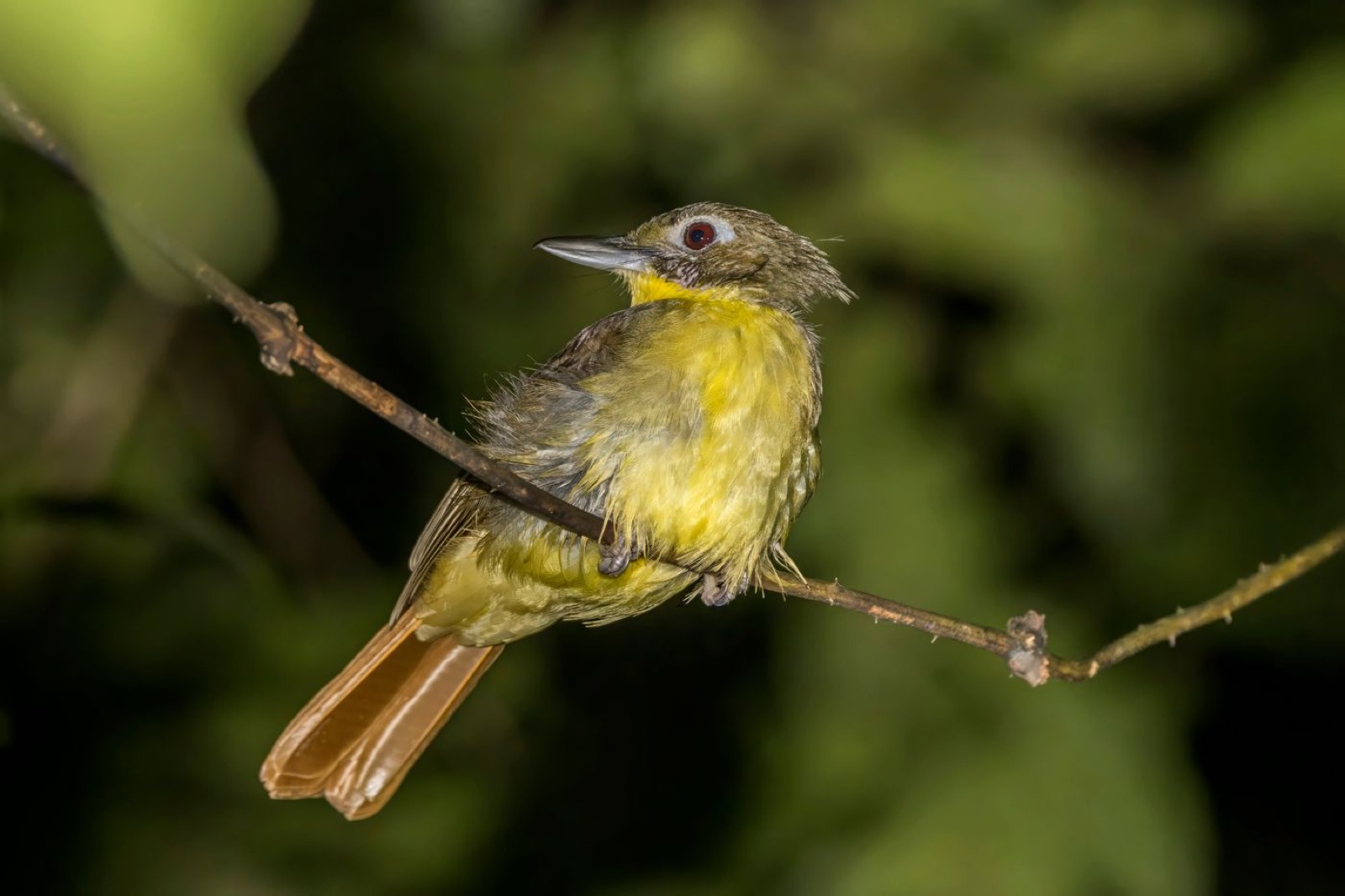
A forest measured in details. The reward in Ankasa is often small before it becomes dramatic. A bird call, a change in soil, a cascade across rocks or a guide pointing out a species can change the whole walk. Protected forests carry climate, water and habitat value beyond the visitor experience. They also sit beside communities that need livelihoods and reliable access. A responsible tour holds both truths. Conservation needs money, but a forest should never be treated as an unlimited resource for tourism.
Make the distance count. Plan transport, guide support and weather protection before leaving. Carry water, insect repellent and proper shoes, and expect conditions to change. Ankasa is strongest as part of a Western Region route through places such as Axim or the coast, not as a rushed day trip from Accra. Its story is about what becomes visible when speed is removed. The farther you go, the more the visit depends on preparation, local knowledge and respect for a protected landscape. Read this place alongside the people who maintain it. A landmark becomes useful when it changes what you notice next: the road into a town, the work around a museum, the river beyond a view, or the memory a guide chooses to explain.
Ankasa makes Ghana's western rainforest and the patient work of conservation part of the travel story.
Where the road gets quieter
Ankasa-Nini-Suhien sits near Ghana's western border, far from the quick stops that define many itineraries. The forest feels dense because it is dense: wet evergreen growth, streams, shade and an enormous variety of life fill the space between paths. A visit starts with accepting that the park will not reveal itself all at once. This is not a backdrop for a single viewpoint. It is a system that asks you to move carefully through it.
A forest measured in details
The reward in Ankasa is often small before it becomes dramatic. A bird call, a change in soil, a cascade across rocks or a guide pointing out a species can change the whole walk. Protected forests carry climate, water and habitat value beyond the visitor experience. They also sit beside communities that need livelihoods and reliable access. A responsible tour holds both truths. Conservation needs money, but a forest should never be treated as an unlimited resource for tourism.
Make the distance count
Plan transport, guide support and weather protection before leaving. Carry water, insect repellent and proper shoes, and expect conditions to change. Ankasa is strongest as part of a Western Region route through places such as Axim or the coast, not as a rushed day trip from Accra. Its story is about what becomes visible when speed is removed. The farther you go, the more the visit depends on preparation, local knowledge and respect for a protected landscape. Read this place alongside the people who maintain it. A landmark becomes useful when it changes what you notice next: the road into a town, the work around a museum, the river beyond a view, or the memory a guide chooses to explain.
Why this place matters
Ankasa makes Ghana's western rainforest and the patient work of conservation part of the travel story.
Visiting with care: Treat it as a remote nature trip. Arrange a guide and transport, carry rain protection and check local access conditions.
Where this is today
Ankasa-Nini-Suhien National Park
Western Region · Exact surviving site
Open modern mapSources
Read the references behind this story.
Image credit: Charles J. Sharp via Wikimedia Commons · Image source
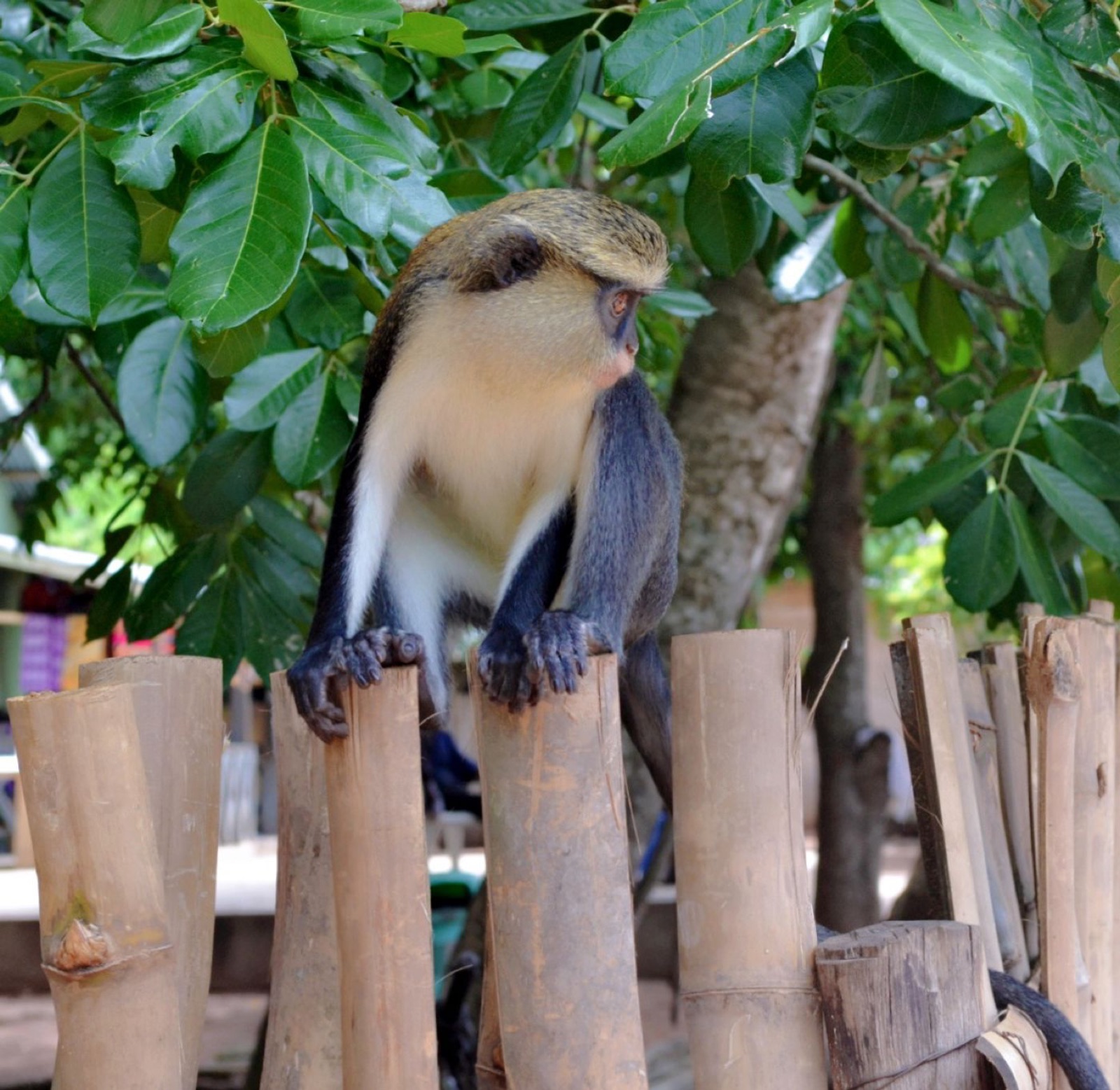 Continue to Tafi Atome Monkey SanctuaryTafi Atome Monkey SanctuaryA community-run forest sanctuary where Mona monkeys and local conservation work share the same path.